Welcome Back, Stranger: Why Returning to a Live-Service Game After Six Months Is Like Starting Over

There's a specific kind of dread that hits the moment you boot up a live-service game you haven't touched since last spring. The launcher updates. The title screen loads. And then, before you've even pressed start, you're already behind. A season has ended. Two more have started. Your entire loadout has been reshuffled, half your favorite weapons are vaulted, and there's a new mechanic everyone apparently already knows about that you've never heard of in your life. Welcome back. You've missed a lot.
This is the live-service re-entry problem, and it's quietly becoming one of the most underreported friction points in modern gaming. Destiny 2, Warframe, Fortnite, Apex Legends — these games don't just update. They evolve, sometimes radically, between sessions. And for the millions of players who drift in and out of these titles across a given year, returning to them can feel less like picking up where you left off and more like showing up to a job you used to work, only to find they've changed the software, the org chart, and the dress code while you were gone.
The Mechanical Drift Problem
Live-service games are designed to keep active players engaged through a constant drip of new content — seasonal story beats, limited-time events, balance patches, and system overhauls. It's a model that works brilliantly for the committed. But for everyone else, all that forward momentum creates a widening gap between the game as it was and the game as it is.
Take Destiny 2 as the canonical example. Bungie's shooter has been through so many fundamental shifts — the Beyond Light stasis overhaul, the Witch Queen's buildcrafting revolution, the Lightfall strand additions, and the ongoing Edge of Fate restructuring — that a player returning after a six-month gap isn't just catching up on story content. They're relearning how the game's core systems function at a foundational level. Armor mods work differently. The subclass menu looks nothing like it did. Half the gear they grinded for is gone, sunset into the vault, replaced by numbers that don't mean the same thing they used to.
Warframe is arguably even more extreme. Digital Extremes has been building on that game's foundation for over a decade, and the result is a title so mechanically layered that even veteran players sometimes struggle to parse new systems. For a returning player? The sheer volume of menus, currencies, and progression paths can feel actively hostile. Reddit threads titled "I quit two years ago, where do I even start?" routinely hit the front page of r/Warframe. That's not a community quirk. That's a symptom.
The Psychology of the Lapsed Player
What makes this particularly interesting from a design perspective is that lapsed players aren't strangers to these games. They have history with them. They remember when things were different, which means they're not just learning a new system — they're unlearning an old one. Cognitive science has a term for this: proactive interference. Old knowledge actively interferes with the acquisition of new knowledge when the two are similar enough to conflict.
In practical terms, this means the returning Destiny player who remembers how Void builds worked pre-3.0 is going to have a harder time learning the new Aspects and Fragments system than a complete newcomer would. Their muscle memory is fighting against them. The game has changed the rules of a language they thought they already spoke.
And then there's the emotional dimension. Returning to a live-service game after a long break carries a subtle but real psychological weight. You feel the absence of progress. You see other players in gear you don't recognize. The seasonal narrative has moved on without you, and catching up on story content often means sitting through YouTube recap videos rather than experiencing anything firsthand. There's a low-grade anxiety in all of it — a sense that you're a tourist in a world you used to live in.
What Developers Are (and Aren't) Doing About It
To be fair, some studios have made genuine efforts here. Fortnite's Chapter resets — while controversial — do function as a soft re-entry point, resetting the map and meta in ways that level the playing field between returning and active players. Path of Exile 2 has built its league system with a degree of intentional restarting baked in. And several live-service titles now feature some version of a "returning player" checklist or seasonal catch-up mechanic that compresses progression for lapsed users.
But these solutions are almost always content-focused. They address the what of returning — here's what you missed, here's some catch-up XP — without addressing the how. Nobody is building a system that actually re-teaches reworked mechanics to players who already think they understand them. Nobody is flagging, at the system level, that the thing you used to do no longer works the way you remember.
The closest thing to a genuine solution in recent memory was Final Fantasy XIV's implementation of the Duty Support system and its aggressive use of New Player and Returning Player designations in matchmaking — tools that acknowledge the re-entry experience as distinct from the new-player experience. It's not perfect, but it reflects a design philosophy that treats returning players as a real and addressable user group rather than an afterthought.
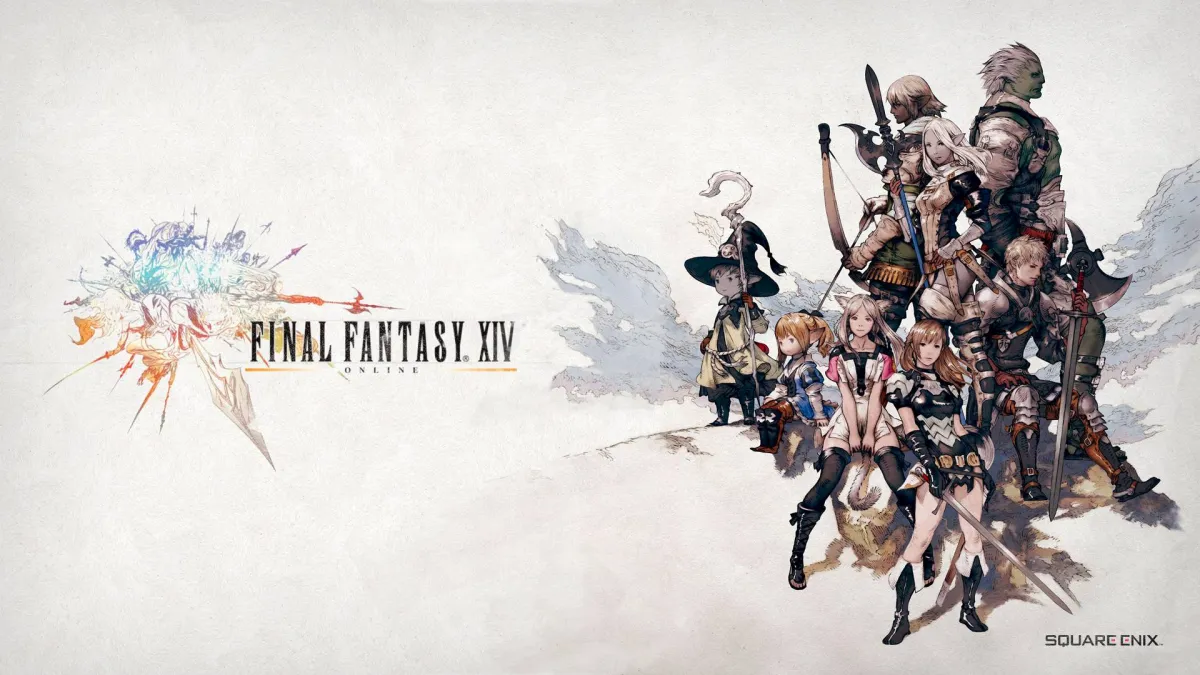 Photo: Final Fantasy XIV, via wallpapercave.com
The Business Case for Better Welcome-Back Systems
Here's the thing that makes this worth interrogating from a business angle too: lapsed players represent enormous potential revenue. They already like the game. They already know the IP. They've already bought in once. Getting them back through the door is dramatically cheaper than acquiring brand-new players. And yet the re-entry experience for most live-service titles is so rough that many lapsed players simply don't bother trying to return — they bounce off the overwhelming wall of updates, shrug, and move on to something else.
That's a conversion problem with an obvious design solution. Interactive tutorials that detect playtime gaps and offer contextual refreshers. Personalized "here's what changed for your class" summaries. Matchmaking pools that pair returning players with patient veterans for their first few sessions back. None of these are technically impossible. They're just not being prioritized.
The Verdict
Live-service games have become some of the most sophisticated and rewarding experiences in modern gaming. But that sophistication has a cost, and right now, lapsed players are the ones paying it. Until studios start treating the re-entry experience with the same design rigor they apply to first-time onboarding, the welcome-back screen will keep writing checks the gameplay can't cash — and millions of players will keep closing the launcher and deciding it's just not worth the effort.