Nerfed Before You Boot: The Hidden Difficulty Gap Between the Games the World Plays and the Ones America Gets
Photo: Belbury, CC BY-SA 4.0, via Wikimedia Commons
Imagine spending 40 hours grinding through what you believe is one of gaming's most punishing experiences — only to find out that players in Japan were fighting a measurably harder version of the same game. Same title. Same box art. Different enemy stats, different aggression timers, different damage thresholds. You weren't playing the game. You were playing the Western edition.
This isn't a conspiracy theory. It's a documented, decades-long practice in game localization — one that the industry has never been particularly eager to discuss openly, and one that a growing number of American players are finally starting to push back on.
A History of Regional Tuning
The practice of regionally adjusting game difficulty goes back to the arcade era, when Japanese and American cabinets for the same game were sometimes shipped with different difficulty settings as default — partly because American operators wanted longer play sessions (more quarters), and partly because publishers made assumptions about player tolerance for punishment in different markets.
That logic carried into the console generation. Games like Contra, Ninja Gaiden, and a raft of Famicom-to-NES ports were adjusted — sometimes subtly, sometimes dramatically — for their Western releases. Enemy health values changed. Spawn patterns shifted. In some cases, entire game mechanics were simplified or removed. The assumption embedded in these decisions was that Western, and specifically American, players wanted an easier time.
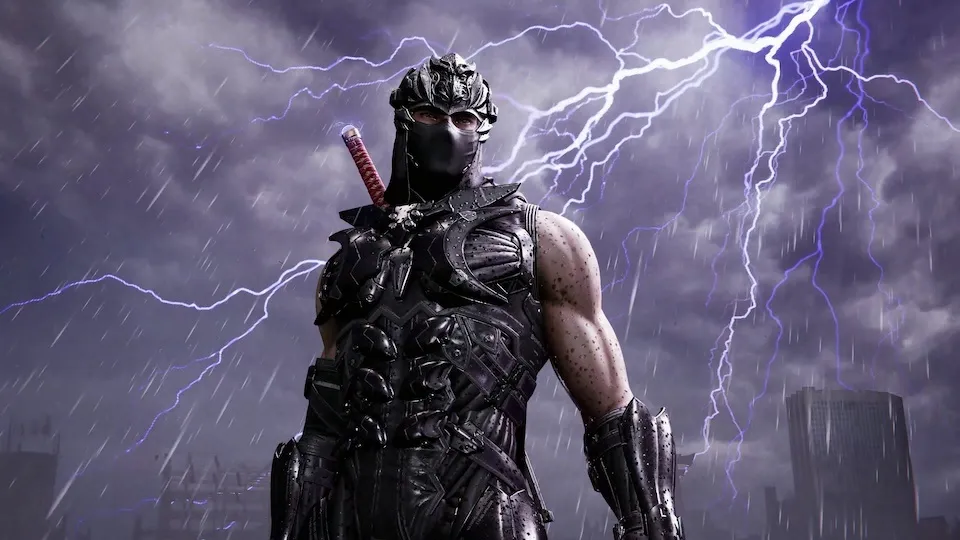 Photo: Ninja Gaiden, via a.storyblok.com
Decades later, that assumption hasn't fully gone away. It's just gotten quieter.
The Modern Version of the Problem
The regional difficulty gap in 2026 is less about dramatic rewrites and more about calibration — the kind of thing that's hard to see unless you're actively comparing builds side by side.
Some Japanese action and RPG developers have a documented history of shipping their domestic releases with tighter enemy AI, more aggressive boss behavior, and less generous checkpoint spacing than the versions that reach Western markets. The changes are rarely announced. They don't appear in patch notes. They're built into the localization process as standard practice, treated the same way as translating text or adjusting cultural references — just another part of preparing a product for a different audience.
The problem is that difficulty isn't a cultural reference. It's a core design value. When a developer tunes down the aggression of a boss encounter for Western markets, they're not translating the game — they're changing what the game is. And players buying that game in America have no way of knowing the version they received has already been adjusted.
The Community Finds the Receipts
This is where the story gets genuinely interesting. Because while publishers haven't been forthcoming about regional difficulty adjustments, the modding and speedrunning communities have been doing the forensic work for years.
Region-comparison videos on YouTube have documented specific cases where Japanese and Western versions of the same game have measurably different enemy behavior — faster attack windows, different aggression patterns, altered hitbox sizes. Speedrunners who work across multiple regional cartridges have clocked timing differences in boss attack cycles. Data miners who've pulled apart localized builds have found region-specific flags that alter difficulty parameters.
The cumulative picture that emerges from this community research is that regional difficulty adjustment is more common than casual players would assume, and that the American release is more often than not the easier one.
Is It Localization or Condescension?
Here's the question that cuts to the heart of it: is this thoughtful localization, or is it a quiet underestimation of American players?
The charitable reading is that developers are responding to real market data. Western players have historically shown higher rates of game abandonment at difficulty spikes. Return and refund rates in American markets have reportedly been higher for notoriously difficult titles. Publishers are making rational commercial decisions based on evidence that their Western audience includes a larger proportion of players who will simply stop playing — and stop buying — if the game is too hard.
The less charitable reading is that this is a feedback loop that the industry helped create. If American players have been handed easier versions of games for thirty years, their baseline expectations for difficulty have been shaped by those adjusted versions. The "evidence" that American players can't handle hard games is partly evidence that American players have been conditioned by a market that kept pre-nerfing their games.
There's also a disclosure problem. Localization decisions that change text, voice acting, or cultural references are understood to be part of the adaptation process. But difficulty adjustments that alter fundamental gameplay are a different category of change — one that affects the integrity of the experience in a way that most players would want to know about. Not disclosing them isn't neutral. It's a choice.
The Import and Emulation Response
A growing segment of the American gaming community has responded to regional adjustments the same way they've responded to every other barrier the industry has put between them and the "real" version of a game: they've routed around it.
Japanese import cartridges for retro titles have always had a collector audience, but the conversation around them has shifted from pure nostalgia to active quality comparison. Emulation communities have built region-specific ROM libraries specifically to allow side-by-side difficulty comparisons. For modern titles with digital releases, region-switching on storefronts — using VPNs or foreign accounts — has become a method for accessing the Japanese version of games that players suspect have been adjusted for Western markets.
This is a niche behavior, but it's a meaningful signal. When players are actively going out of their way to bypass the version of a game their market was given, they're voting with their effort — and they're saying they don't trust that the default Western release represents the full experience.
What Developers Should Do
The straightforward fix here isn't to stop making regional adjustments — there are legitimate localization reasons to offer different difficulty defaults or accessibility options in different markets. The fix is transparency.
If the Japanese version of a game has a different enemy AI profile than the American version, say so. Put it in the settings menu. Give players the option to enable the "original" difficulty mode the way some developers have started offering "director's cut" or "classic" gameplay modes. Trust your audience to make an informed choice about how hard they want their game to be.
Because right now, millions of American players are sitting down with games that have already been quietly adjusted on their behalf — and they don't know it. The loadout they were handed at the start was nerfed before they ever touched the controller.
That's not localization. That's a decision made for you, without your knowledge, about how much challenge you're allowed to have.
And in 2026, that's starting to feel like a problem worth talking about.