The Loadout Tax: How Platform Choice in 2026 Is Quietly Dictating What Builds Are Even Available to You
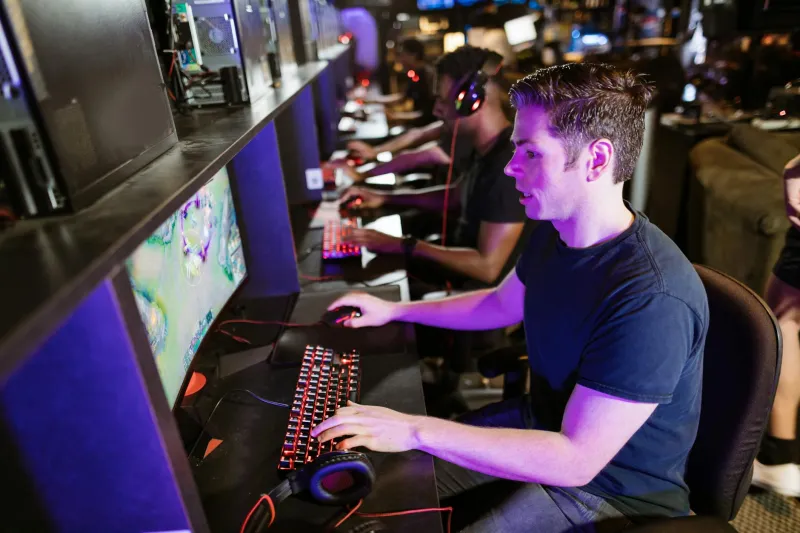
In 2026, your skill ceiling isn't just determined by your reflexes or game knowledge — it's increasingly dictated by what platform you chose to buy three years ago. While the industry talks about "games as a service" and "platform agnostic" experiences, the reality is that your hardware choice is quietly creating a two-tier system where identical games offer fundamentally different loadout experiences depending on your console, subscription tier, or PC specifications.
This isn't just about frame rates or graphics settings anymore. We're talking about exclusive weapons, platform-specific balance patches, and mod ecosystems that create entirely different metas depending on whether you're playing on PlayStation 5 Pro, Xbox Series X, or a high-end gaming PC.
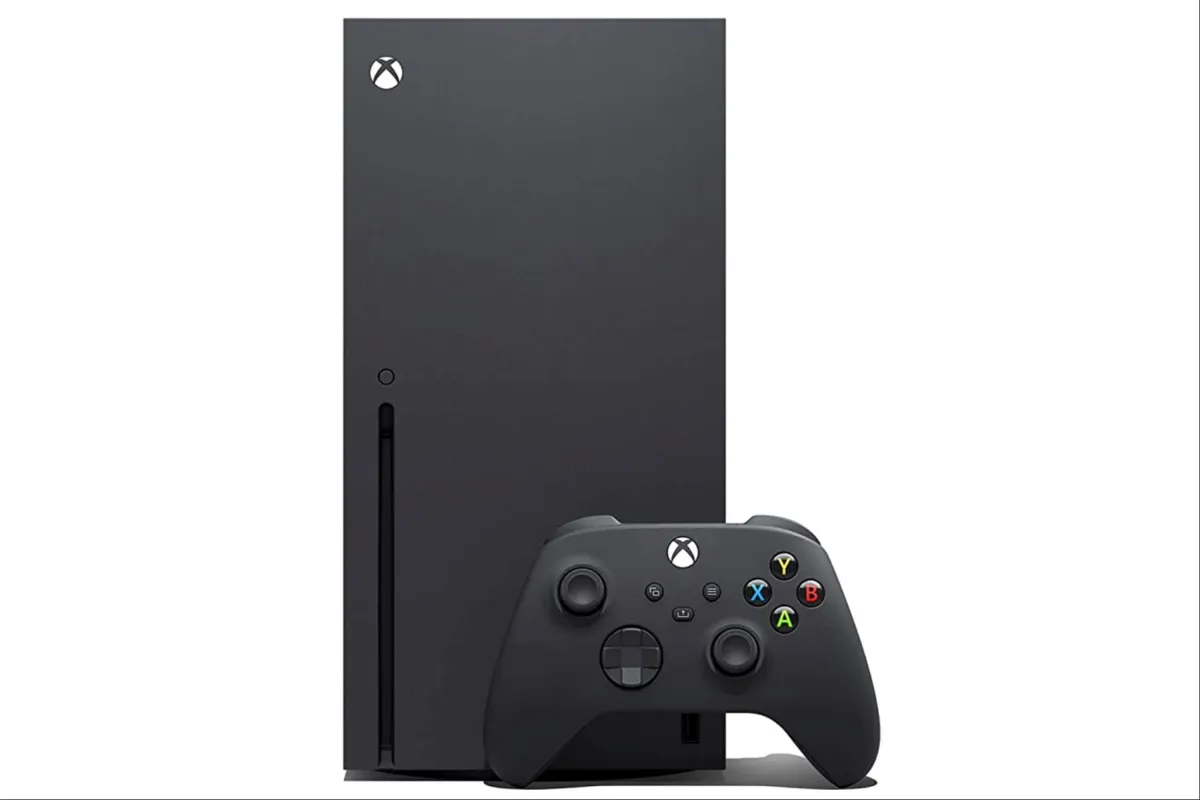 Photo: Xbox Series X, via static0.gamerantimages.com
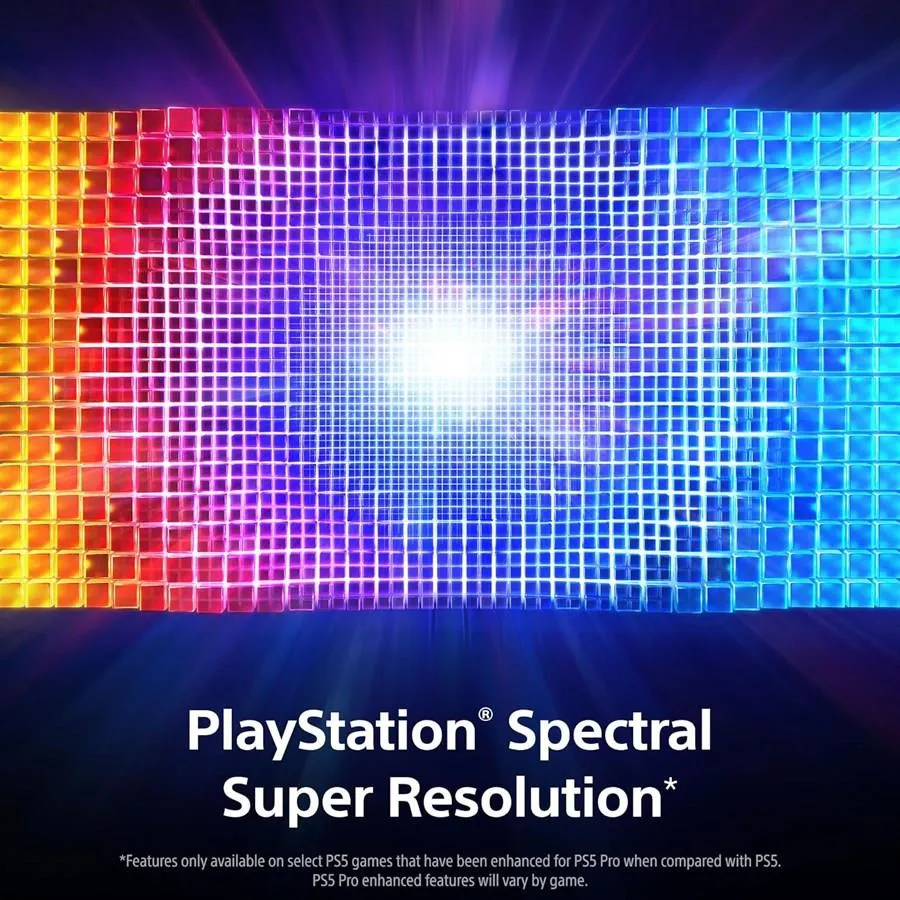 Photo: PlayStation 5 Pro, via static3.webx.pk
The Game Pass Loadout Divide
The most obvious example is Microsoft's Game Pass ecosystem, which has evolved into three distinct tiers that offer dramatically different gameplay experiences. Game Pass Core subscribers get basic access to multiplayer titles, but they're locked out of premium battle passes, exclusive cosmetics, and early access content that can include actual gameplay-affecting items.
Game Pass Ultimate subscribers, meanwhile, get day-one access to new releases plus exclusive in-game content that often includes weapons, characters, or progression boosts. But the real kicker is Game Pass Ultimate PC, which includes access to beta builds, mod support, and developer tools that console players simply can't access.
"I'm playing the same Halo game as my Xbox friends, but I'm literally playing a different version," explains PC Game Pass subscriber Marcus Chen. "I have access to weapon variants through mods, custom maps that change the meta completely, and beta features that console players won't see for months. We're not even competing in the same game anymore."
The result is a fragmented player base where skill becomes secondary to subscription tier. A Game Pass Core subscriber might spend weeks perfecting a loadout, only to discover that Ultimate subscribers have access to superior alternatives that fundamentally change the balance equation.
Console Generation Gaps
Even within the same platform ecosystem, hardware generations are creating loadout disparities that would have been unthinkable five years ago. PlayStation 5 Pro owners get access to exclusive graphical modes that aren't just prettier — they offer gameplay advantages.
In competitive shooters, the PS5 Pro's enhanced ray tracing can reveal enemy positions through reflective surfaces that standard PS5 players simply can't see. The console's improved performance modes allow for higher frame rates that create genuine competitive advantages in fast-paced games.
But perhaps more concerning is how developers are handling exclusive content. Sony has negotiated deals for PlayStation-exclusive weapons, characters, and cosmetics in major third-party titles. These aren't just aesthetic differences — they're gameplay-affecting items that create fundamental imbalances between platform communities.
"Call of Duty's PlayStation exclusivity isn't just about early access anymore," notes industry analyst Michael Pachter. "We're seeing weapon blueprints, operator abilities, and even map variants that are platform-exclusive for months or permanently. That's not a timed exclusive — that's platform fragmentation."
The PC Mod Advantage
PC gaming has always had advantages, but in 2026, the mod ecosystem has evolved into something that creates entirely separate gameplay experiences. Popular titles like Cyberpunk 2077, Fallout 4, and even competitive games like Counter-Strike 2 have mod communities that fundamentally alter gameplay balance.
PC players can access weapon rebalance mods, custom difficulty settings, and quality-of-life improvements that console players can only dream of. More importantly, they can participate in community-driven balance patches that often fix issues faster than official developer updates.
The fighting game community exemplifies this divide. PC players have access to frame data mods, training tools, and custom characters that create a completely different competitive environment. Meanwhile, console players are stuck with whatever the developer provides, often waiting months for updates that PC players have already addressed through mods.
Timed Exclusivity's Hidden Costs
Timed exclusivity deals have evolved beyond simple early access windows. Modern exclusivity agreements often include platform-specific balance changes that persist long after the exclusivity period ends.
When a new character or weapon launches exclusively on one platform, developers balance it for that platform's specific player base and input methods. By the time it reaches other platforms, the balance assumptions baked into its design may no longer apply, creating weapons or characters that feel overpowered or underpowered depending on your platform.
"Destiny 2's platform-exclusive content taught us a lot about how this works," explains former Bungie developer and industry consultant Jason Schreier. "When you design content for one platform first, you're making assumptions about input lag, player behavior, and community meta that don't necessarily translate to other platforms."
The Subscription Tier Trap
Perhaps most insidiously, subscription services are creating artificial loadout scarcity. PlayStation Plus Extra and Premium tiers offer different levels of access to DLC content, early access builds, and premium currencies. Xbox Game Pass Ultimate includes perks that can fundamentally alter progression curves.
These aren't just convenience features — they're gameplay advantages disguised as subscription benefits. A PlayStation Plus Premium subscriber might have access to classic weapons through backward compatibility features, while a basic subscriber is limited to current-generation content.
The result is a system where your monthly subscription payment directly determines your available loadout options. It's pay-to-win, but distributed through platform holders rather than individual game publishers.
Cross-Platform's False Promise
Cross-platform play was supposed to unite gaming communities, but in practice, it's highlighted just how fragmented the experience has become. When PC players with 144Hz monitors, custom keybinds, and mod-enhanced interfaces compete against console players with standard controllers and 60fps caps, "cross-platform" becomes a euphemism for "unfair matchmaking."
Game developers are struggling to balance this reality. Some titles implement platform-specific balance changes, creating multiple versions of the same game. Others use input-based matchmaking, effectively segregating communities despite technical cross-platform support.
The Regional Hardware Divide
This platform tax isn't just about choice — it's increasingly about geography and economic access. The global chip shortage and varying regional pricing mean that players in different markets have access to fundamentally different gaming experiences.
A player in the US with access to an RTX 4090 and high-speed internet lives in a different gaming reality than someone in Eastern Europe with a GTX 1660 and limited bandwidth. The games might have the same title, but the loadout options, performance characteristics, and competitive viability are worlds apart.
The Path Forward
Some developers are beginning to recognize this problem. Epic Games has implemented cross-platform progression systems that attempt to normalize experiences across different hardware. Microsoft is pushing for "Smart Delivery" systems that automatically optimize content for different hardware configurations.
But these solutions are still in their infancy, and they don't address the fundamental economic incentives that drive platform exclusivity deals.
The Real Cost of Platform Choice
In 2026, choosing a gaming platform isn't just about hardware preferences or ecosystem loyalty — it's about accepting limitations on your potential skill ceiling and competitive options. Your platform choice determines not just how games look and feel, but what builds are even possible to create.
This represents a fundamental shift in gaming culture. For the first time in the industry's history, identical games are offering genuinely different gameplay experiences based solely on platform choice. The question isn't whether this trend will continue — it's whether the gaming community will accept a future where your hardware determines your meta, regardless of your skill.