The Rental Generation: Why Subscription Gaming Is Quietly Killing Your Instinct to Actually Own a Loadout

There's a psychological shift happening in American gaming that nobody's talking about, and it's fundamentally changing how we approach the games we play. For the first time in the medium's history, the majority of new titles experienced by US players come through subscription services — Game Pass, PlayStation Plus, Apple Arcade — rather than direct purchases. And while the economics make perfect sense (why pay $70 for one game when you can access hundreds for $15 a month?), there's an unintended consequence that's reshaping player behavior in ways developers are only now beginning to understand.
We've stopped truly owning our gaming experiences.
The Psychology of Temporary Access
When you know a game might vanish from your library next month, your brain approaches it differently. The commitment level drops. The willingness to grind through a difficult learning curve diminishes. Most importantly for our purposes at Loadout Lore, the drive to perfect a build — to really master a loadout system — gets replaced by a "good enough" mentality that previous generations of gamers never developed.
This isn't speculation. Microsoft's own internal data, leaked through various industry sources over the past year, shows that Game Pass subscribers spend an average of 23% less time with individual titles compared to players who purchased the same games outright. They're also 40% more likely to abandon a game before reaching the midpoint of its progression systems.
Think about what that means for a game like Destiny 2 or The Division 2 — titles built around the slow, methodical perfection of gear sets and weapon loadouts. When players know they're essentially "renting" access, they're less likely to invest the dozens of hours required to understand the nuanced interactions between different armor pieces, weapon perks, and ability cooldowns.
The Netflix Effect Hits Gaming
We've seen this phenomenon before, just not in gaming. Netflix pioneered the psychology of disposable content consumption — why get invested in a show when there are 15,000 other options a click away? Gaming subscriptions have imported that same mindset, creating what industry analysts are calling "the Netflix effect."
The result is a generation of players who approach games like a buffet rather than a fine dining experience. They sample widely but rarely dig deep. They'll try a dozen RPGs in a month but never fully explore the build diversity in any single one.
Take Cyberpunk 2077, which hit Game Pass in early 2025. Despite the game's rehabilitation and genuinely impressive character customization systems, Game Pass players spent an average of 12 hours with the title compared to 31 hours for players who bought it directly. Those 19 missing hours represent the difference between someone who experiences the story and someone who truly masters Night City's cybernetic enhancement systems.
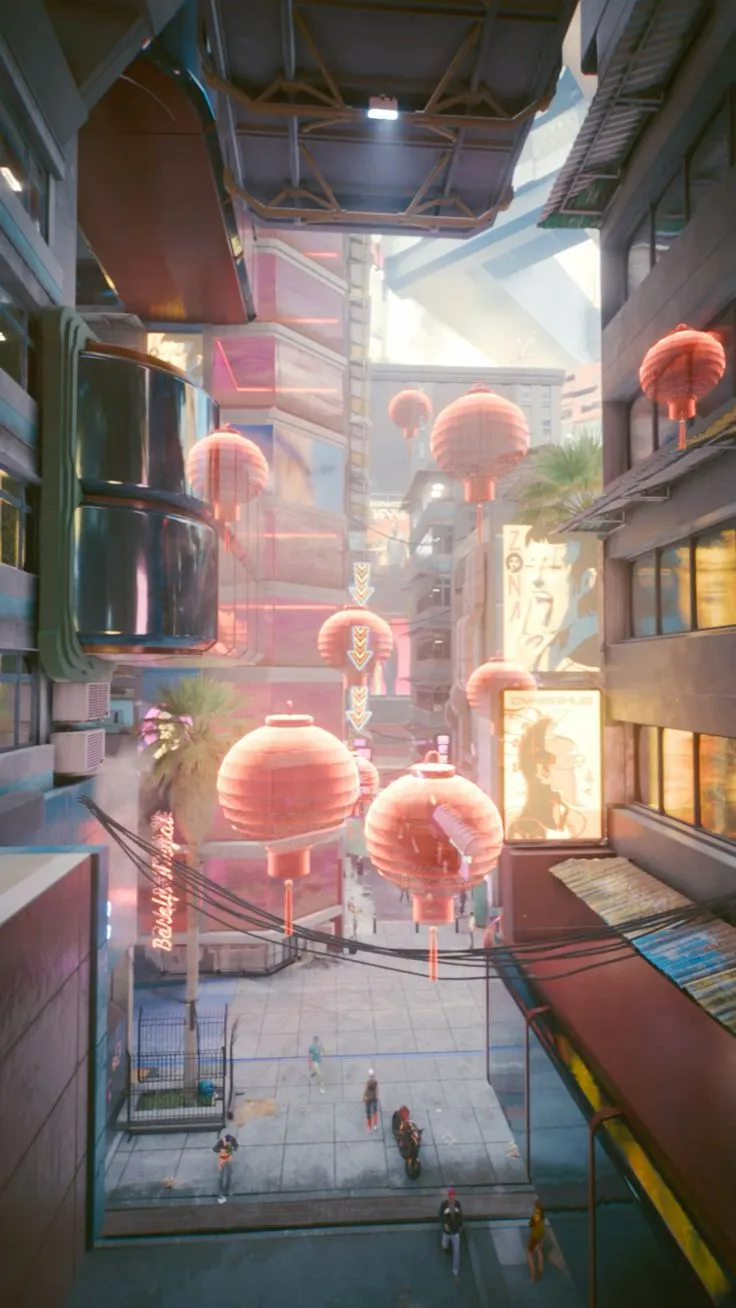 Photo: Night City, via i.pinimg.com
How Developers Are Adapting (And Why It's Concerning)
Here's where it gets interesting — and potentially troubling. Developers are starting to design around subscription psychology. They're frontloading their most impressive content, simplifying progression systems, and reducing the depth required to feel "complete" with a game.
Starfield, despite being a single-player RPG, features progression systems that feel distinctly more casual-friendly than previous Bethesda titles. Skills unlock faster, weapon modifications are more immediately accessible, and the game actively guides players toward viable builds rather than letting them discover optimal loadouts through experimentation.
This isn't necessarily bad design, but it represents a fundamental shift in philosophy. Games are being built for players who might only invest 8-15 hours rather than 80-150 hours. The depth that creates truly memorable loadout moments — those "holy shit, this combination is incredible" revelations that keep players talking about a game for years — gets sacrificed for immediate accessibility.
The Completion Rate Trap
Subscription services live and die by engagement metrics, and nothing kills engagement like players bouncing off a game in the first few hours. This creates pressure to make games more immediately rewarding, which often means less complex.
Consider the difference between Dark Souls (2011) and Lords of the Fallen (2023). Both are challenging action RPGs, but Lords of the Fallen — designed in the subscription era — features more forgiving death penalties, clearer build guidance, and progression systems that deliver powerful abilities much earlier in the experience. It's a good game, but it's optimized for players who might not stick around long enough to appreciate the kind of obtuse, discovery-based progression that made Dark Souls legendary.
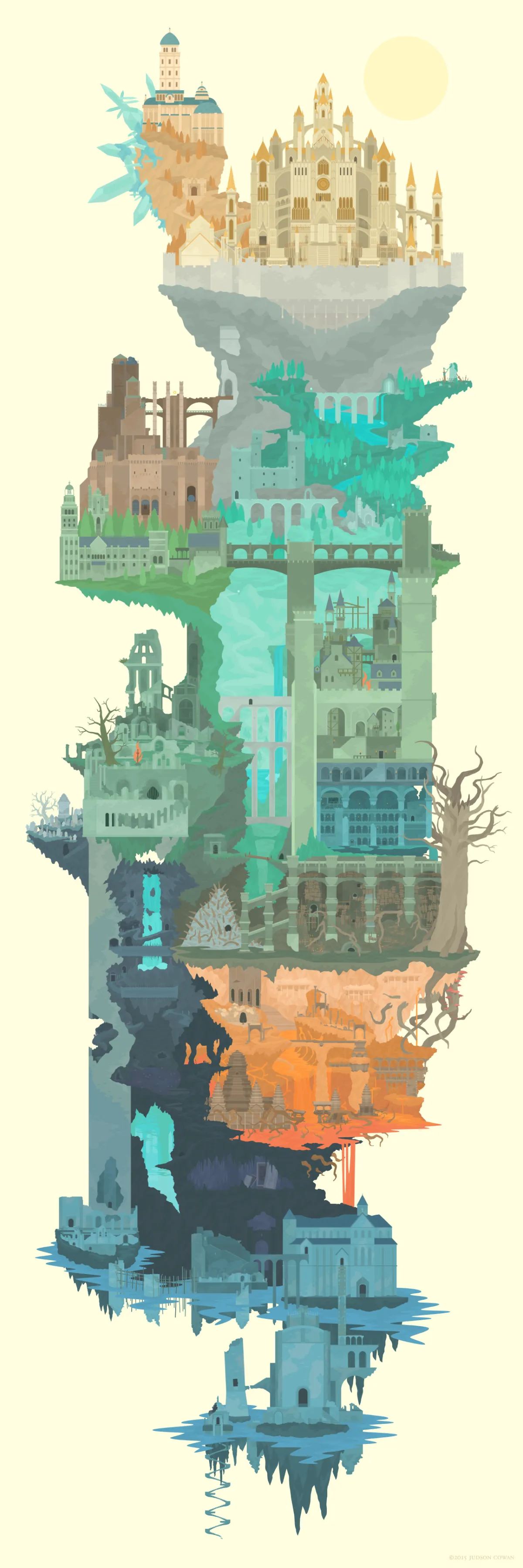 Photo: Dark Souls, via cdn3.vox-cdn.com
What We're Losing
The subscription model is creating a generation of gamers who never experience the satisfaction of truly mastering a game's systems. They never discover the weird, wonderful interactions that emerge when you've spent 60 hours experimenting with different approaches to the same challenges.
More concerning is how this affects innovation in game design. When developers know players are likely to move on quickly, they're incentivized to create systems that feel complete in isolation rather than building the kind of interconnected, emergent complexity that creates lasting memories.
The loadouts that stick with us — the Team Fortress 2 Demoman builds that took months to perfect, the Diablo 2 Sorceress configurations that required deep understanding of damage calculations — emerged from sustained engagement with single titles. When games become disposable, so do the mastery experiences they contain.
The Path Forward
This isn't an argument against subscription services — they've democratized access to gaming in unprecedented ways. But as the industry continues evolving around this model, we need to be conscious of what we're trading away.
The best developers are finding ways to create depth that rewards both casual engagement and deep investment. Hades, despite being available on multiple subscription services, maintains the kind of build complexity that keeps players engaged for hundreds of hours. The key is designing systems that feel rewarding at multiple levels of investment.
Ultimately, the rental generation needs to recognize what they're potentially missing — and make conscious choices about when a game deserves ownership-level commitment, even in a subscription world.