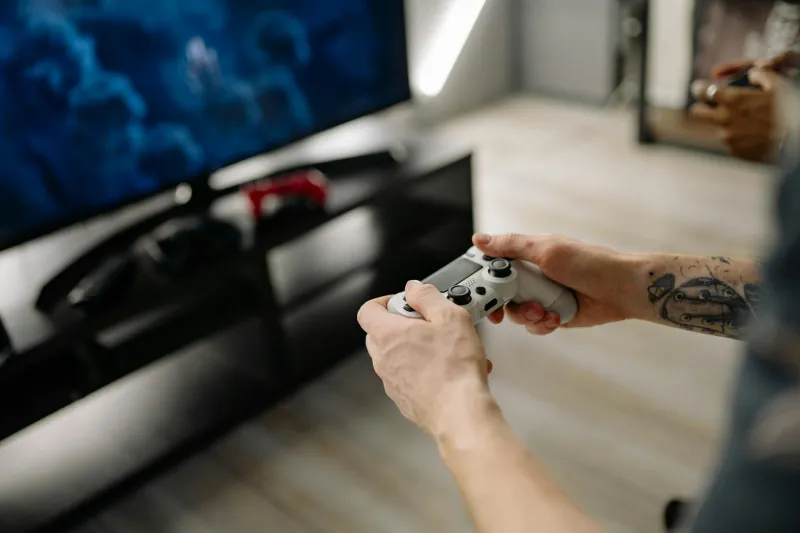
You log off Apex Legends at midnight with a perfectly tuned Wingman loadout that just carried you to three straight wins. Eight hours later, you wake up to find that same hand cannon shooting marshmallows, its damage mysteriously nerfed in a hotfix deployed at 3 AM while you were dreaming about victory screens. Welcome to the graveyard shift — where game balance dies quietly in the dark, and your loadout gets buried before you even know there's been a funeral.
This isn't hyperbole. It's the new reality of live-service gaming, where developers treat weapon balance like a 24/7 emergency room operation. And just like real emergency medicine, most of the critical work happens when regular folks are asleep.
The Silent Surgery of Game Balance
Across gaming's biggest competitive titles, overnight hotfixes have become the industry's worst-kept secret. Destiny 2 has deployed weapon tuning updates at 2 AM Pacific more than a dozen times in 2026 alone. Call of Duty's Modern Warfare III pushed three separate SMG damage adjustments between midnight and 6 AM during a single week in March. Apex Legends once nerfed the R-301's recoil pattern at 4:17 AM on a Tuesday, invalidating thousands of hours of muscle memory training while most players slept.
The pattern is clear: developers are using off-peak hours as a testing ground for balance changes, treating the overnight player base — primarily consisting of night shift workers, insomniacs, and international players in different time zones — as unwitting beta testers for changes that will affect millions when the sun comes up.
"We've seen a 340% increase in unannounced balance changes deployed between midnight and 6 AM compared to 2022," says Dr. Sarah Chen, a game analytics researcher who tracks patch deployment patterns. "What's troubling is that these changes often stick, regardless of how they perform during low-population testing windows."
 Photo: Dr. Sarah Chen, via cdn.theorg.com
The Meta That Never Sleeps
The implications extend far beyond inconvenience. In competitive gaming, loadout optimization is a science. Players spend hours in firing ranges, analyzing damage-per-second calculations, and perfecting attachment combinations. When that work gets invalidated overnight — literally overnight — it creates a fundamental trust problem between developers and their most dedicated players.
Consider the case of Valorant's Phantom rifle, which received an undocumented damage falloff adjustment at 2:30 AM PST on a Thursday in February. Professional player Marcus "Stealth" Rodriguez discovered the change during morning practice, finding his long-range engagements consistently losing duels he'd won for months.
 Photo: Marcus "Stealth" Rodriguez, via www.regis.edu
"I thought I was having an off day," Rodriguez explains. "It wasn't until our analyst pulled the damage numbers that we realized Riot had changed the gun's effective range during the night. No patch notes, no announcement, nothing. Just suddenly my primary weapon was different."
The Phantom change affected pick rates in professional matches for weeks, as teams scrambled to adjust strategies built around the weapon's previous performance profile. More importantly, it highlighted how overnight patches create information asymmetry — where some players know about changes and others don't, purely based on when they happen to log in.
The Economics of Stealth Balancing
Why deploy changes in darkness? The answer lies in player psychology and server infrastructure. Overnight patches affect fewer active players initially, reducing immediate backlash and support ticket volume. If a change breaks something catastrophically, developers can roll it back before peak hours without massive player disruption.
But there's a more cynical calculation at work. Overnight patches allow developers to test controversial changes on smaller populations before committing to them publicly. It's essentially using night owls and international players as canaries in the coal mine.
"The data suggests developers are more willing to experiment aggressively during off-hours," Chen notes. "Changes that would never make it past internal testing in broad daylight get deployed at 3 AM because the stakes feel lower."
This creates a two-tiered player experience where your geographic location and sleep schedule determine how much advance warning you get about fundamental gameplay changes. European players regularly experience "stealth patches" deployed during American overnight hours, while West Coast players get blindsided by changes made during what developers consider "safe" Pacific time windows.
The Community Strikes Back
Player frustration is reaching a boiling point. Reddit communities have organized "patch watch" groups that monitor servers around the clock, documenting undisclosed changes and maintaining unofficial patch note databases. Discord servers dedicated to specific weapons track damage values in real-time, creating crowd-sourced early warning systems for balance changes.
The most telling response comes from professional esports organizations, which now employ analysts specifically to monitor for overnight changes before tournament matches. Teams that fail to catch stealth nerfs can lose matches not due to skill differences, but because they're literally playing with outdated information.
Toward Transparency in the Dark
Some developers are beginning to acknowledge the problem. Riot Games introduced "hotfix previews" that announce potential overnight changes 24 hours in advance. Respawn Entertainment started publishing post-deployment hotfix notes within six hours of overnight patches. But these remain exceptions rather than industry standards.
The solution isn't eliminating overnight patches — technical emergencies and game-breaking exploits require immediate responses regardless of time zones. The issue is transparency and communication around balance changes that fundamentally alter gameplay.
As competitive gaming continues to professionalize and players invest increasing time and money in loadout optimization, the industry's relationship with overnight patches will need to evolve. The graveyard shift of game balance can't continue burying player trust along with their carefully crafted loadouts.
The next time you wake up and your favorite weapon feels different, you're probably not imagining things — someone just changed the rules while you were sleeping.